How To Become an Infosec Expert, Part I
I recently put a post on my personal blog seeking applicants for a position with the VRT, working directly with me on public-facing issues (such as writing for this blog, talking to customers, etc.). Since the skill set involved there is subtly, but importantly, different from a
The Ruby on Rails vulnerability that made Metasploit release a patch
This post on the Ruby on Rails Security group January 8th contained a few phrases that cause alarm when used together: "inject arbitrary SQL", "inject and execute arbitrary code" and "perform a DoS attack on a Rails application". Without going into d
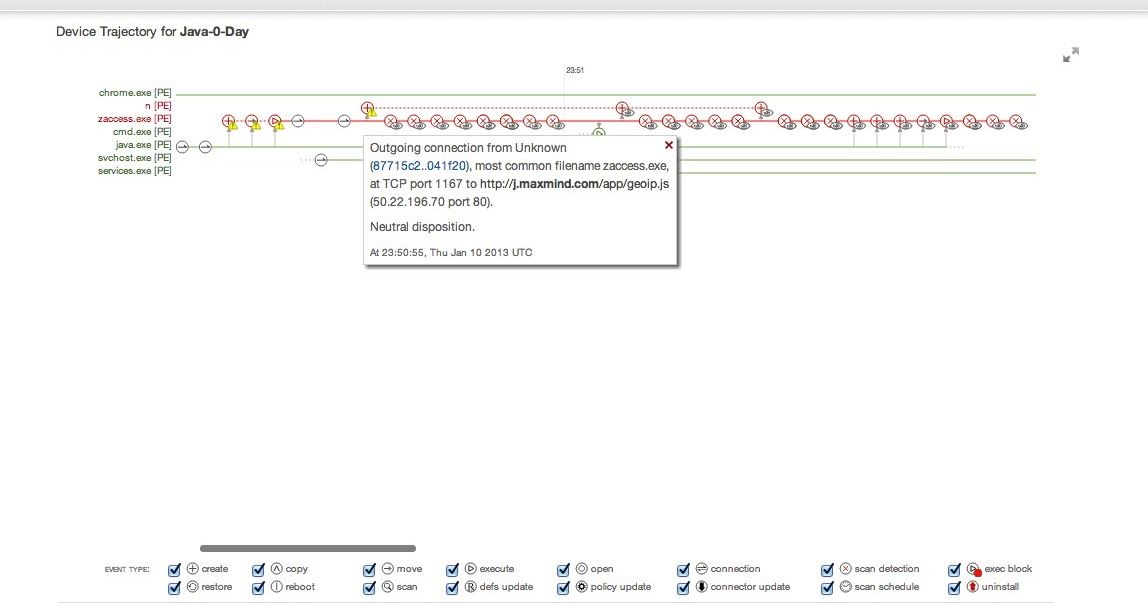
Generic Exploit Kit Detection & The First Java 0-Day of 2013

EXPLOIT-KIT Java User-Agent downloading Portable Executable - Possible Exploit Kit
In our most recent rule pack, amongst the 39 new rules were two very important rules that may require a bit of analyst work when you see them alert. The two rules I am referring to are: * 1:25041 <-> ENABLED <-> EXPLOIT-KIT Java User-Agent flowbit set (exploit-kit.r
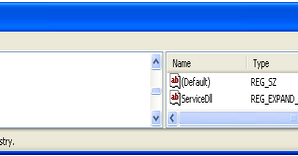
Triggering Miniflame's C&C Communication to Create a Pcap
There are times when a malware's payload doesn't trigger because of a condition or an environment that the malware requires in order for it to execute its payload. Such is the behavior of the miniflame malware that we encountered recently. To create a Snort signature, th
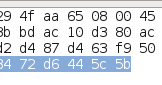
Quarian: Reversing the C&C Protocol
Win.Trojan.Quarian was reportedly first found in a leaked email from the Syrian Ministry of Foreign Affairs. It arrives on the victim's machine via a PDF document. The PDF contains an exploit for CVE-2010-0188 which, if successful, passes execution to embedded shellcode. The
Web Proxies, User-Agent Strings, and Malware Detection
One of the simpler ways to identify malware-infected machines communicating with their command and control servers is to watch for known malicious User-Agent strings in HTTP requests. For those not familiar with them, User-Agent strings are added to almost all HTTP queries on the
Information Superiority
I presented yesterday at the 9th annual Hackers2Hackers conference in Sao Paulo on the subject of information superiority, a subject the VRT has long been fond of. My slides are here for those who'd like to read them. In a nutshell, the talk made the point that, if you know
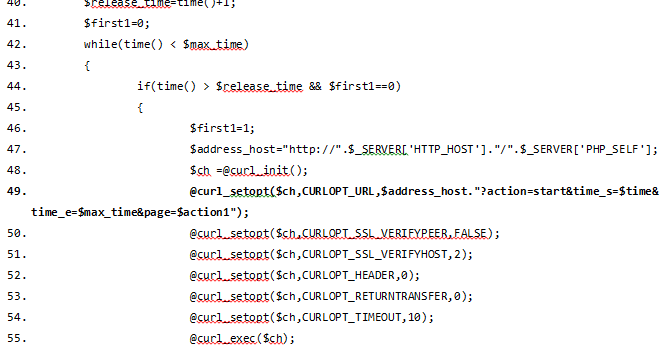
itsoknoproblembro, the VRT has you covered
When the large-scale DDoS attacks on American banks began a couple of weeks ago, the VRT started digging through all of our sources of information, looking to understand the precise tactics being used, so that we could put together the best possible protection strategy for potent